Since we were kids, we were used to appreciating and listening to stories. That’s why businesses that harness the power of stories improve their chances of success.
The basic structure of a story – “The character desires something, but that something is hard to get. That’s the problem. When the character is on the verge of giving up, a guide appears. This guide provides a plan and calls the character to take action. The character then avoids failure and manages to get that something they initially desired.”
No matter how fancy your website or social media is, if readers can’t immediately understand who you are, what you’re here to do, and why a customer should choose you instead of someone else, you’ll struggle to get new clients.
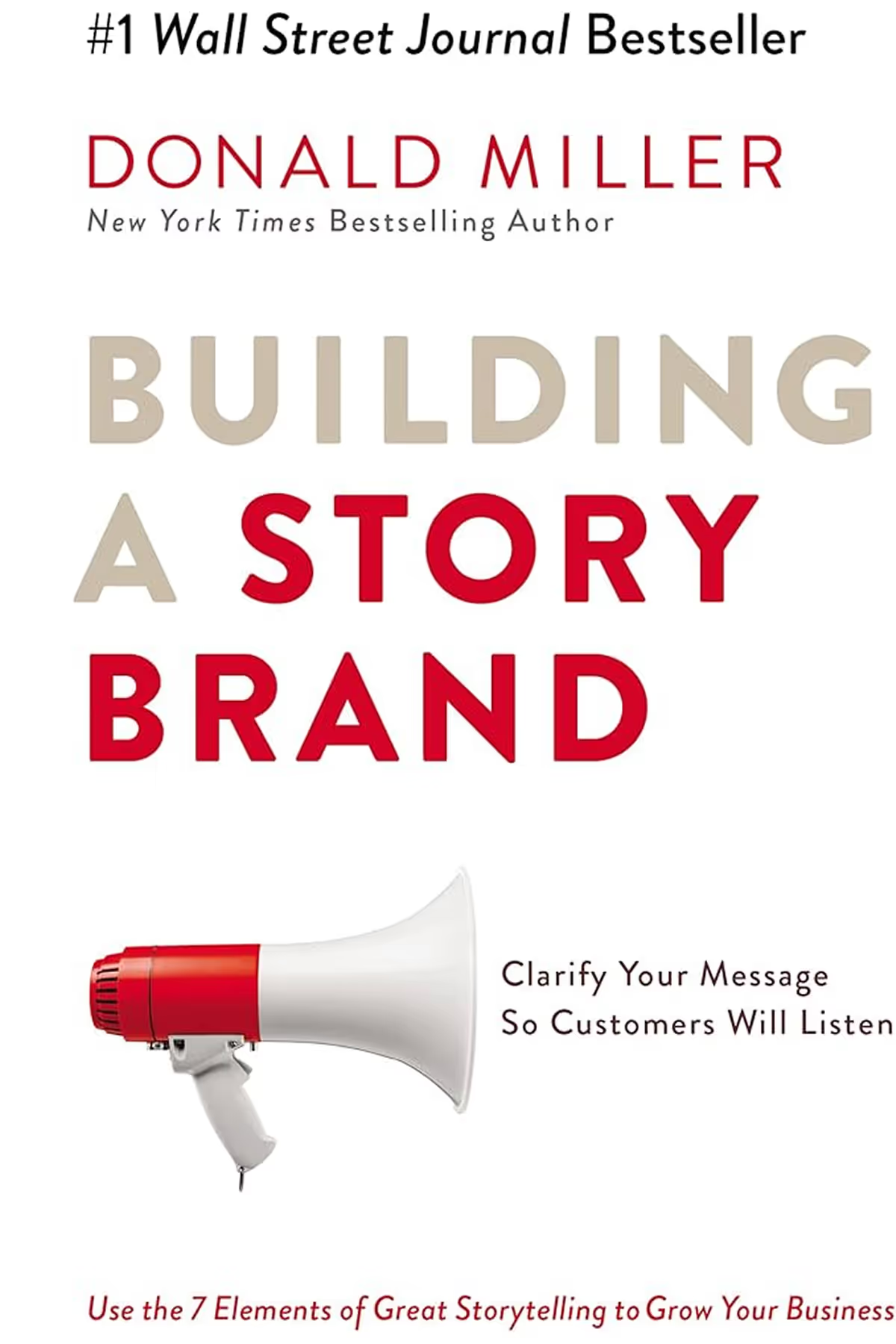
The SB7 system breaks this structure into a template that can fit any business. Here’s the system: [You can fill in the story template on mystorybrand.com. I do it by myself for every client I work with]
☐ A character (hero) the hero of your brand’s story isn’t you. It’s your customer. Your brand is the guide who helps the hero overcome the challenge and get what they want. Define what the hero wants the most. One main desire.
☐ Has a problem (villain) by speaking about your customer's problem, you'll make them feel understood. So make sure to cast their problem as the villain you'll help them overcome.
☐ And meets a guide at this step, show that your brand (the guide) has two characteristics, empathy and authority.
☐ Who gives them a plan the plan consists of a clear process of their journey and an “agreement plan” that helps them feel safe.
☐ And calls them to action there are two types of CTAs. Direct – the thing you want them to do the most (usually buy), and transitional, in case they’re not ready for the main action.
☐ That ends in success and helps them avoid failure people want to avoid pain. To have them take action, they should be aware of the risks of not taking action.
Example: The cost of not having business with us.
☐ Show them how great a transformation their life can have with your product most stories have a happy ending. We see how the status quo has changed, and the hero is not transformed into a new reality. Define the customer’s inspirational identity: who does the customer want to transform into?
- The character acquires a position of power. Their social status improves.
- Example: buying Balenciaga shoes
- The character reunifies with something or someone that makes him whole.
- Example: buying flight tickets to go him and visit your family
- Experience self-realization that makes them whole.
- Example: going on a yoga retreat
- What does the hero want?
- Who or what is opposing the hero from getting it?
- How will the hero’s life change if he gets or doesn't get what he wants?
Websites and brands should have one sentence that sums them up with four elements
Include these four elements:
The character
The problem
The plan
The success
Examples:
retired couples
a second mortgage
a timeshare house
spend winters in Florida, escape the winter
More tips:
- Almost every company can benefit from having an affiliate or referral program.
- Three questions that should be answered within five seconds of looking at your website
The caveman test:
What do you offer?
How will it change my life?
What do I have to do to get it?
- How to get better testimonials? Ask the right questions:
- What was the problem before you discovered our product?
- How frustrating was it to try to solve the problem?
- What was different about our product?
- Take us to the moment when you realized our product actually works to solve your problem.
- Tell us what life looks like now that you have solved the problem.