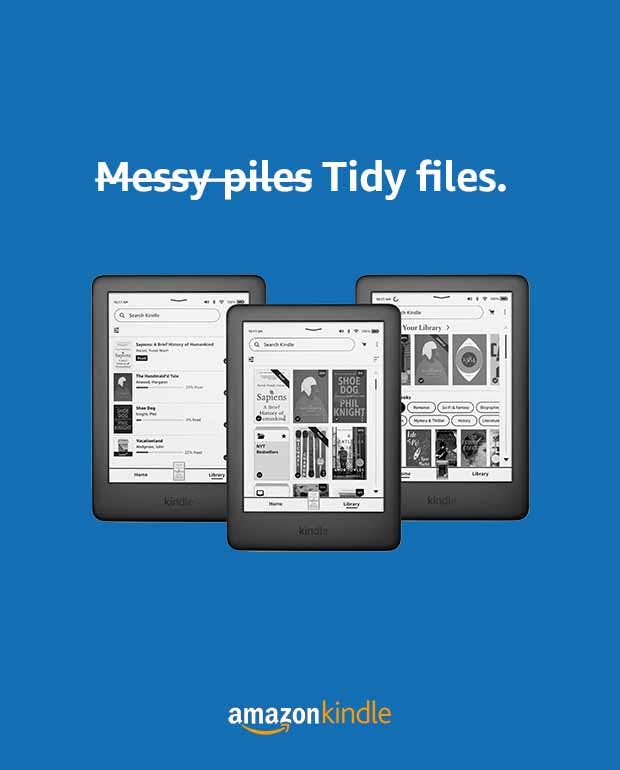
I wrote some Kindle ads using ChatGPT. Here’s my process:
Part I: Gain
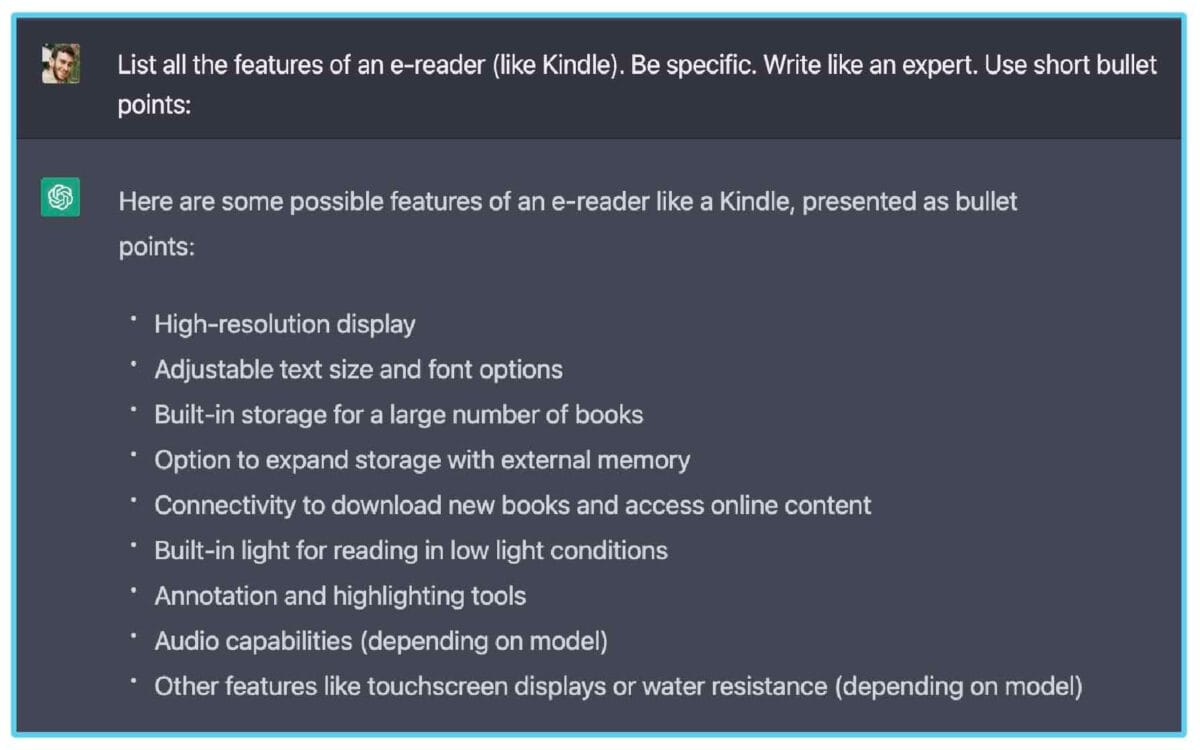
1. List features
2. Features ⇢ benefits
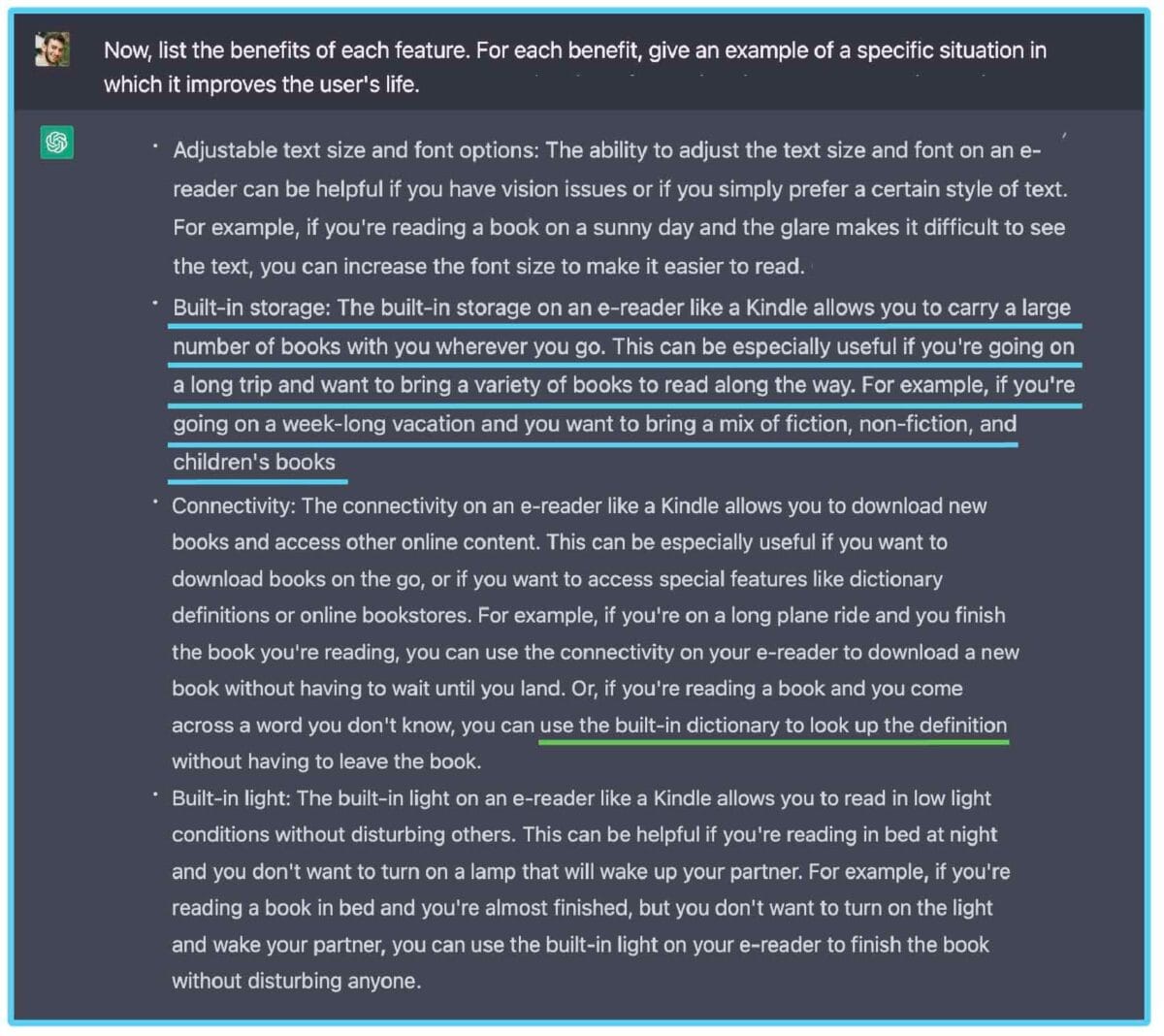
A feature means nothing if you can’t demonstrate it in a relatable situation.
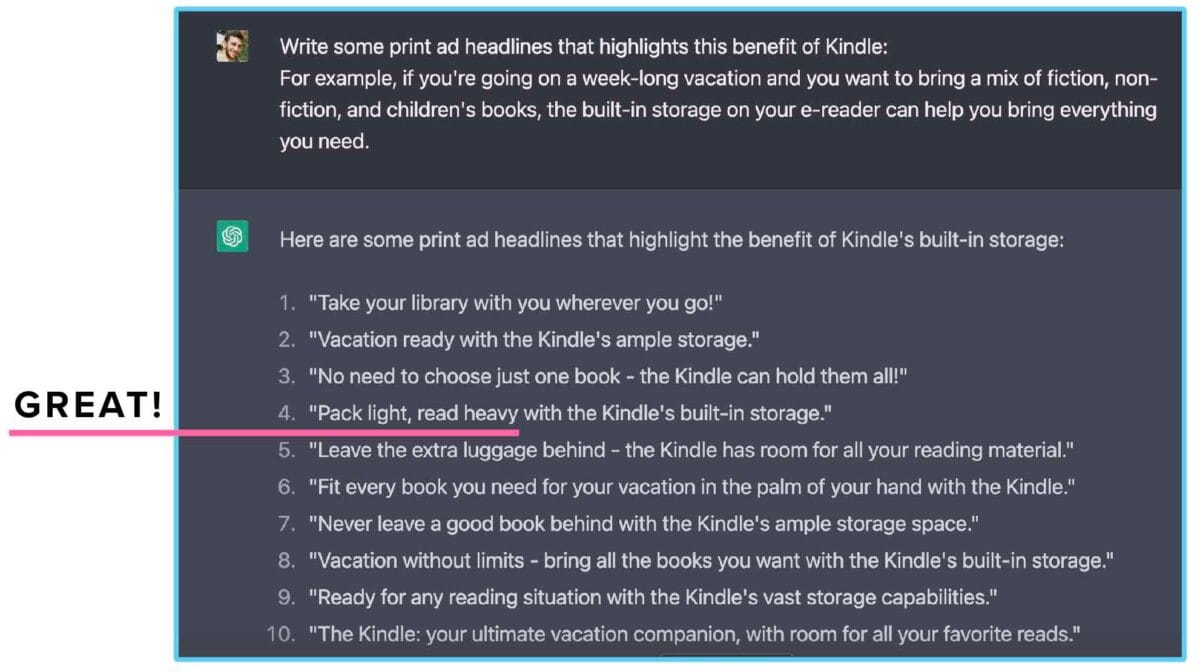
3. Write headlines
I like the one about taking many books on vacation, so I ask for some headlines. Most are boring, but one stands out:
4. Get creative
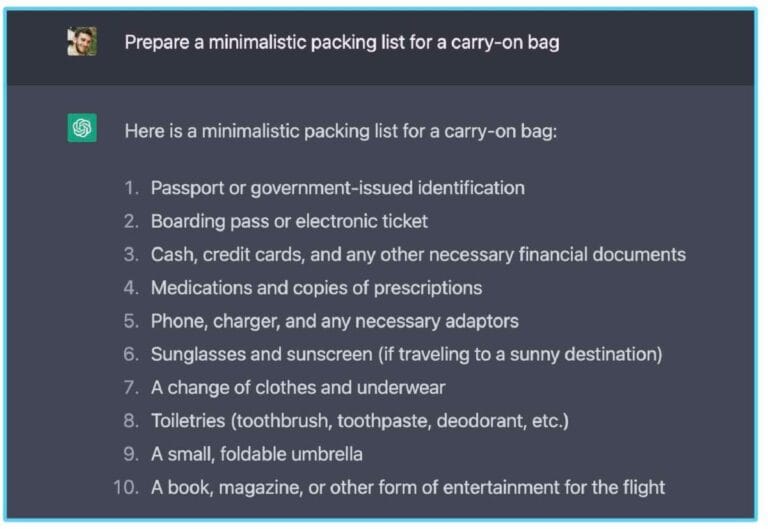
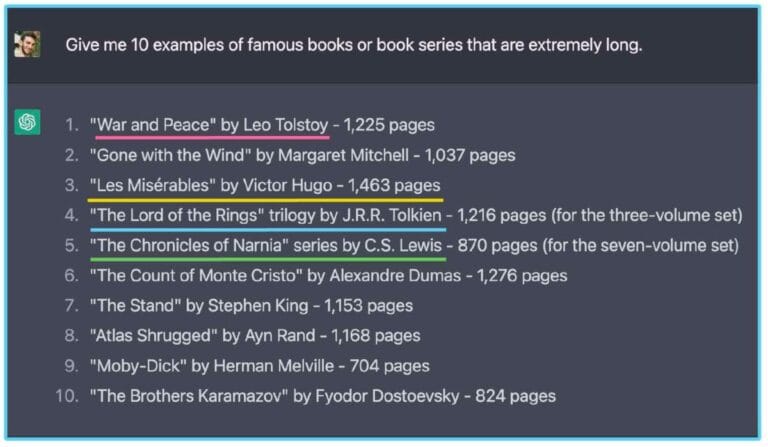
But that’s not enough. To make things interesting, I’ll use Dan Nelken’s “List & Twist” technique: Write a list of obvious things, and then add something surprising at the end to show the benefit.
I start with the obvious part: a packing list for a short vacation.
Then I add the surprising part: a huge library.
5. Result
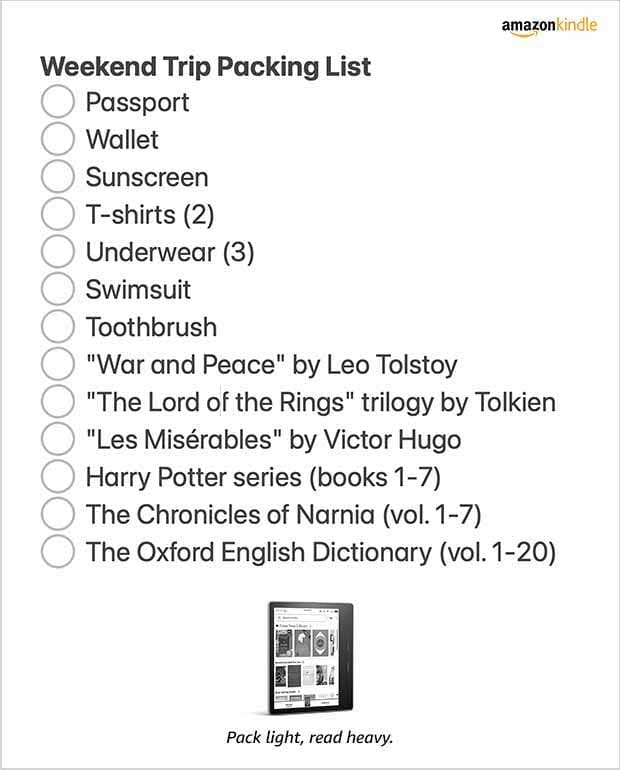
I combine the lists and use ChatGPT’s headline as my tagline. And remember the dictionary feature that ChatGPT mentioned earlier? Let’s throw that into the mix as well:
Hey, are you still here? This was the warm-up.
Now begins the fun part. 😉
Part II: Pain
So I showed why having a Kindle is good.
Now, I want to show why not having one is bad.
1. Alternatives and disadvantages
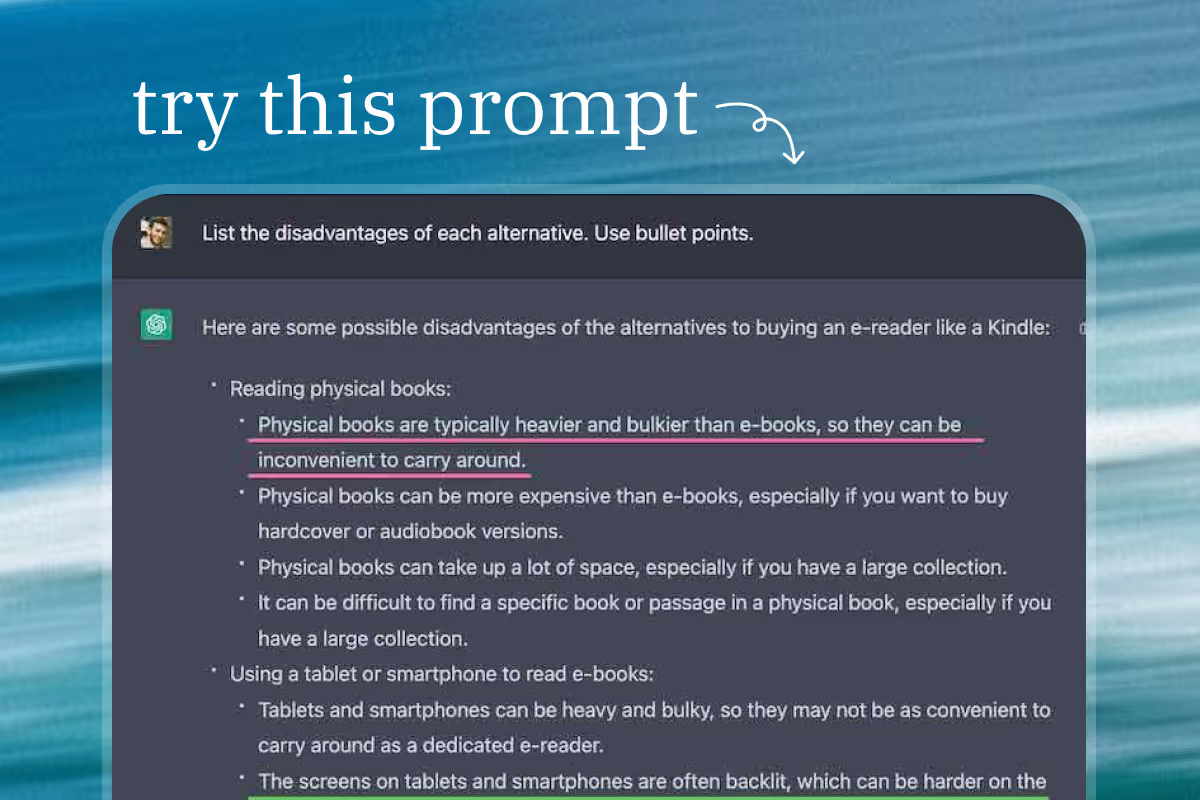
I want to understand those who don’t use a Kindle, what they do, and why these alternatives are awful.
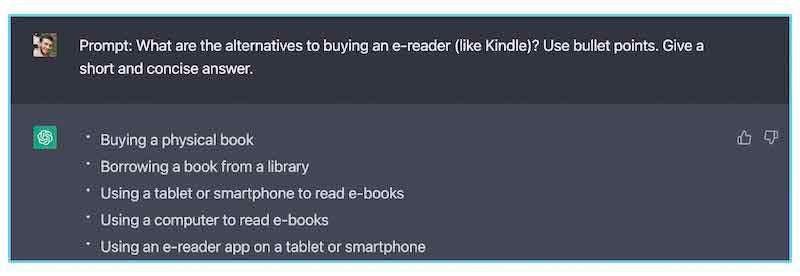
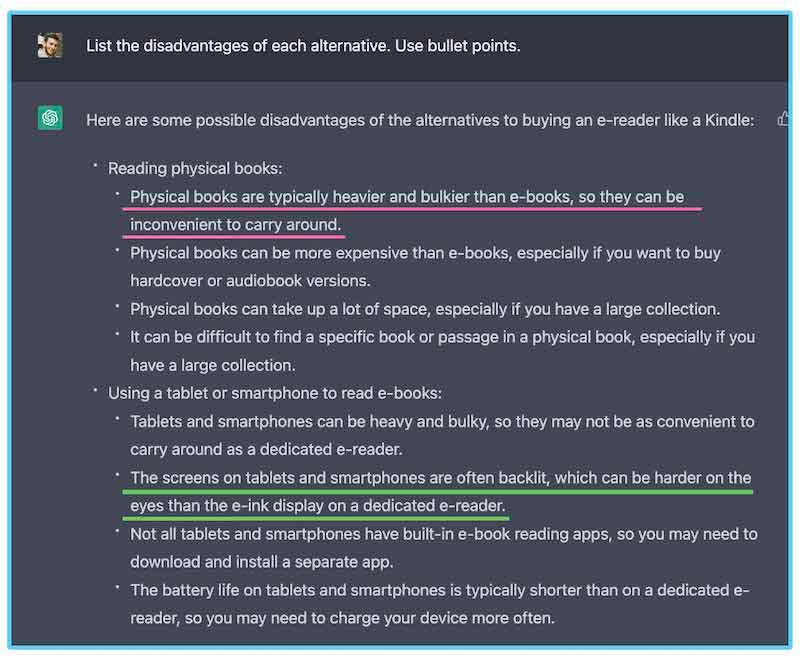
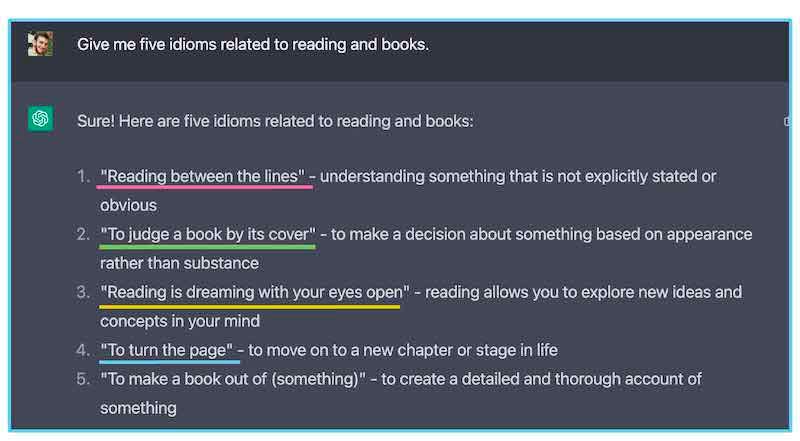
2. Find phrases
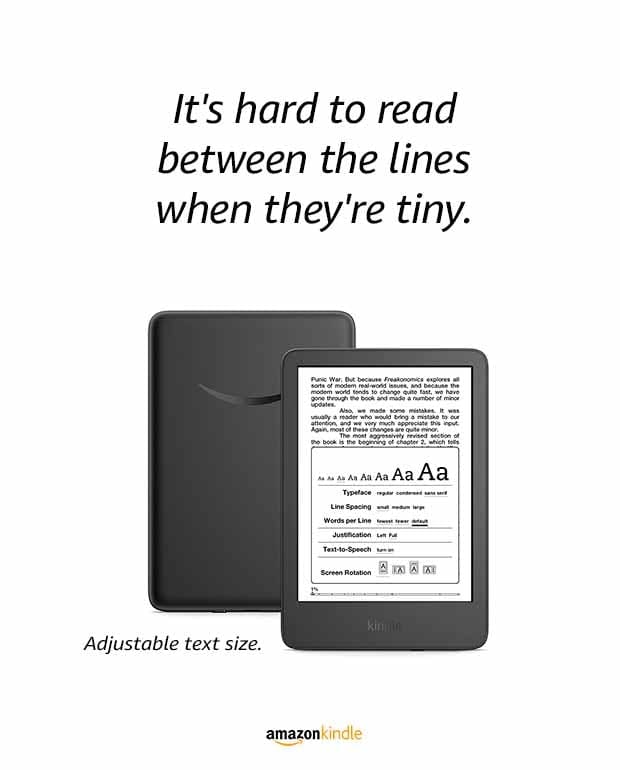
3. Results
Disadvantages + Phrases = Kindle is the solution.
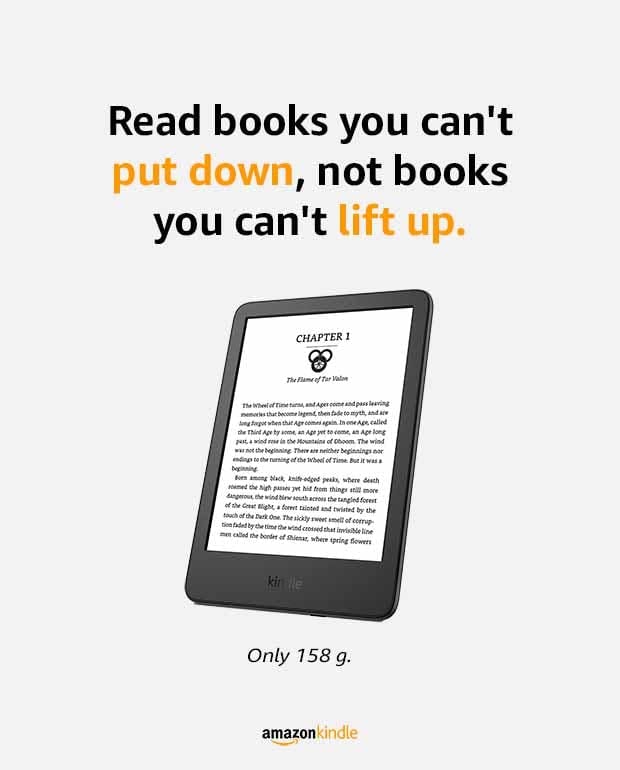
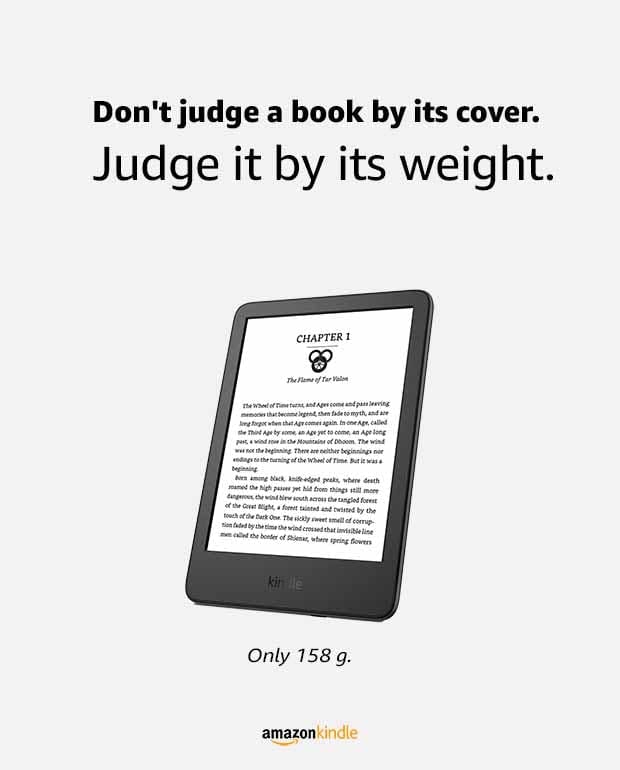
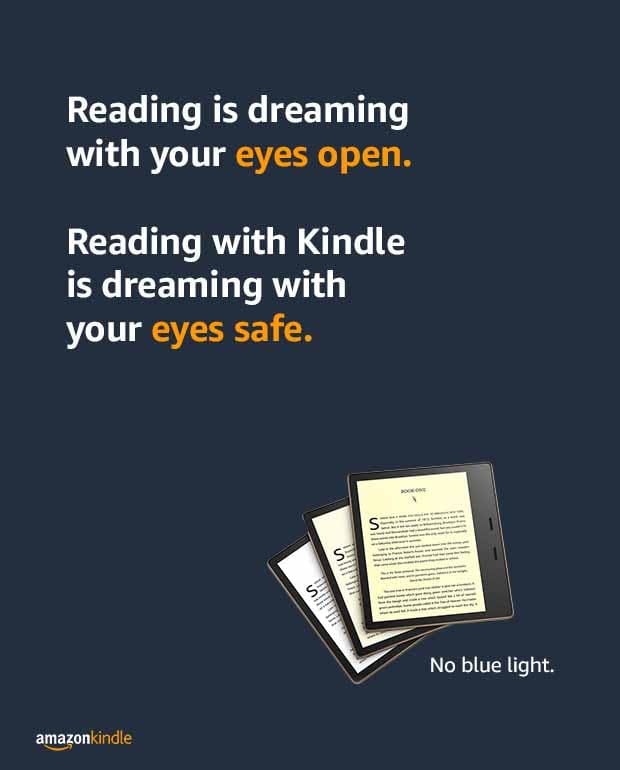
Cool. But what about all those stubborn people who know about Kindle, understand the benefits, but still insist on reading printed books? I don’t get them. But ChatGPT does. Read on. ☺️
Part III: Objections
1. Customer’s shoes
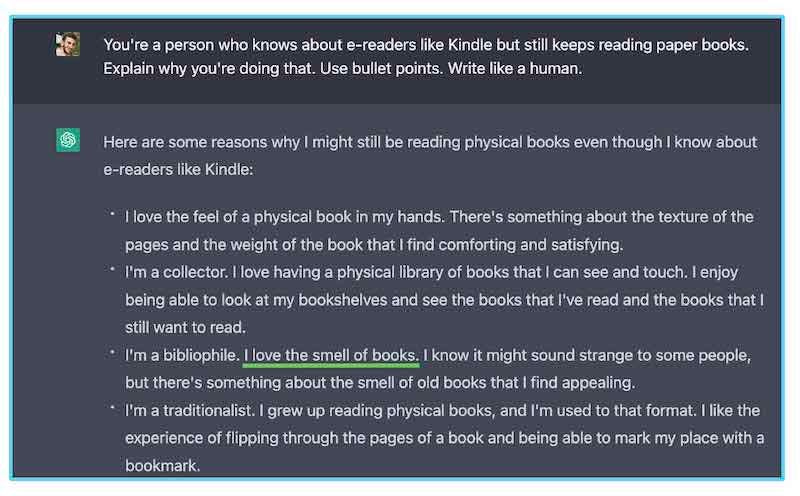
Got you. So it’s not about convenience. It’s about feelings. Let’s try a more emotional approach then.
2. Higher cause
3. Visual
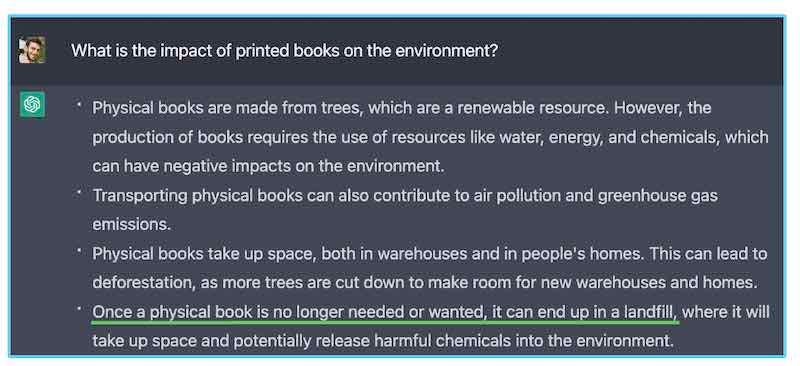
Hmm… so people love the smell of old books, but old books end up in stinky landfills. That’s an interesting conflict. We need a visual.
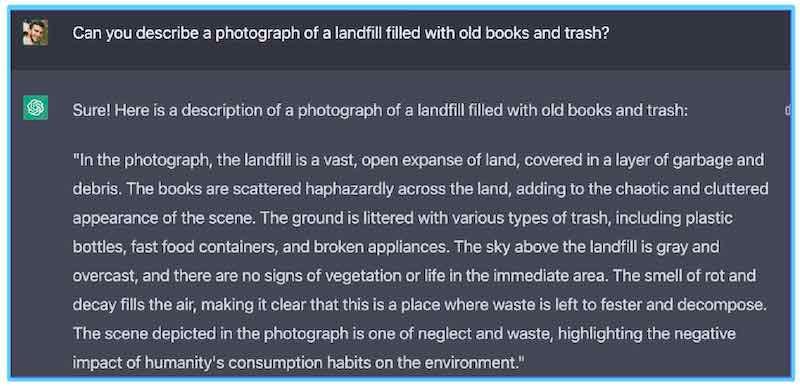
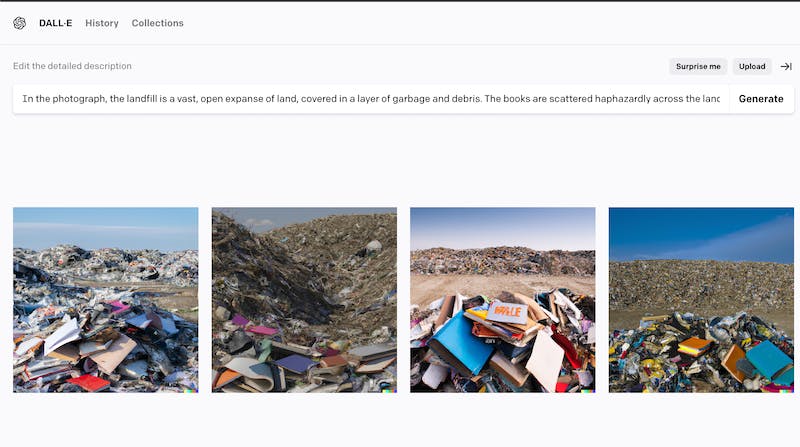
I pasted the description into Dall-E (an AI image generator).
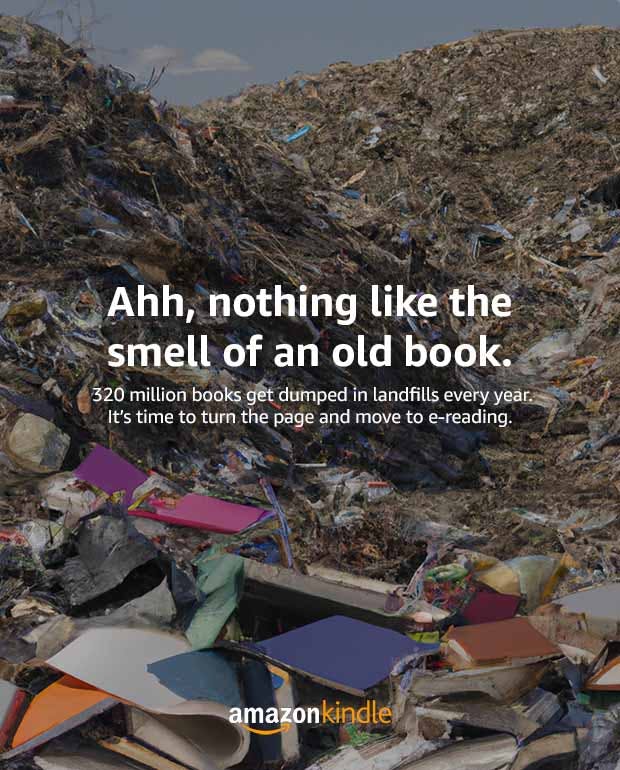
4. Result
Customer objection + higher cause = conflict.
A good story must have conflict.
Bonus: Before and after
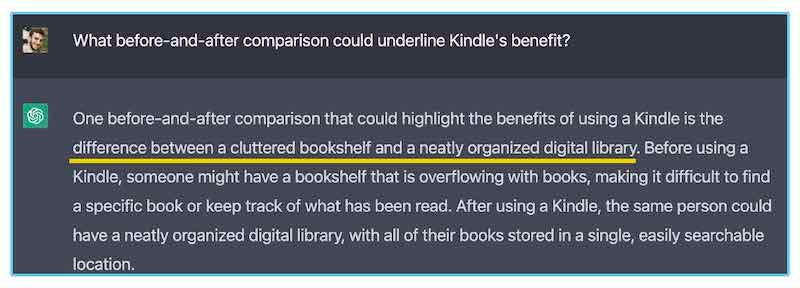
We’re pretty much done, but here’s one last prompt that works every time:
1. Inspiration
2. Rhyme
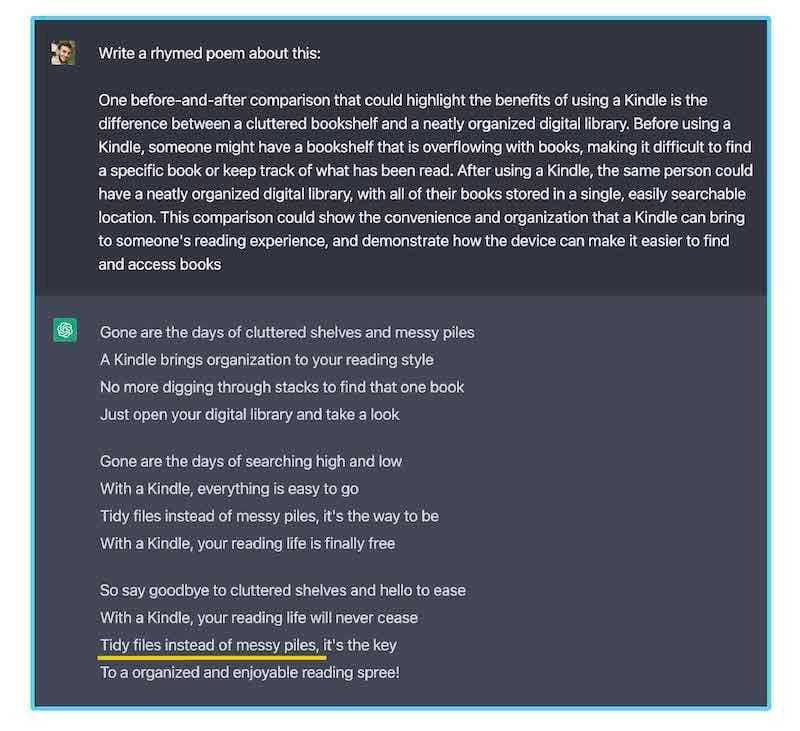
3. Result